Lagos Intensifies Blood Safety Measures Ahead of 2026 National Quality Assessment


The Executive Secretary of the Lagos State Blood Transfusion Service (LSBTS), Dr. Bodunrin Osikomaiya, has warned that bacterial contamination remains a leading cause of transfusion-related illness and death globally. She noted that many blood banks underestimate the risk due to a greater focus on viral infections, stressing that strict disinfection, avoidance of open-system manipulation, and adherence to sterile procedures are essential preventive measures.
Dr. Osikomaiya made this known during a two-day intensive training on standardized testing, transfusion accuracy, and infection prevention, held at the MRC Laboratory, LASUTH, Ikeja. A total of 2,500 personnel from public and private blood banks participated in the hands-on sessions aimed at strengthening safety practices across the entire blood transfusion value chain.
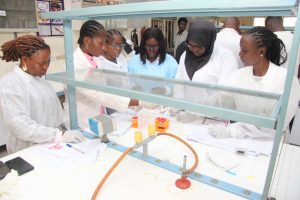
Declaring the training open, she said the initiative is a strategic intervention designed to close quality gaps and reinforce practices that comply with national and international safety standards. She noted that the theme, “Advancing Blood Safety and Quality through Standardized Testing and Infection Control Practices,” underscores the state’s commitment to improving donor screening, blood collection, laboratory processes, and transfusion outcomes.
Dr. Osikomaiya added that the knowledge gained will directly impact the forthcoming 2026 External Quality Assurance (EQA) Assessment, during which facilities will be evaluated on tube grouping accuracy, crossmatching proficiency, documentation quality, and infection-control compliance. She further stated that regular monitoring visits by the LSBTS will assess how well facilities implement the protocols taught during the programme.

One of the facilitators, the Director of the Lagos State Biobank and senior lecturer/consultant medical microbiologist at LASUCOM/LASUTH, Dr. Bamidele Mutiu, delivered a technical session on the science, mechanisms, and risks of transfusion-transmitted bacterial infections (TTBIs). He noted that over 72 infectious agents can be transmitted through blood, with bacteria responsible for most rapid and life-threatening transfusion reactions.
Dr. Mutiu outlined key points of contamination—during skin preparation, blood collection, processing, or from donor bacteremia. He warned that symptoms such as fever, chills, hypotension, and septic shock should never be ignored, as TTBIs can mimic other clinical conditions.

In his presentation, the Head of Monitoring and Enforcement at LSBTS, Dr. Samuel Alori, provided an overview of regulatory frameworks governing blood transfusion in Lagos State. He said the agency conducts routine inspections of public and private blood banks to ensure compliance with WHO, NBSC, and state standards, including licensing, proper component preparation, mandatory testing, and haemovigilance—measures that have significantly reduced illegal blood banking practices.
Also speaking, the Head of Blood Bank and Component Production at LSBTS, Mrs. Rasheedat Mecca, highlighted the importance of proper storage temperatures, accurate documentation, and timely component separation. She emphasized that all donated blood must remain in quarantine until screening for infectious diseases is completed.
The programme featured several practical demonstrations, including tube blood grouping, crossmatching, and proper skin disinfection techniques. The initiative forms part of the Lagos State Government’s ongoing effort to improve the quality and safety of blood supplied to residents, ensuring that all disease-causing organisms are screened out and that every collected unit meets acceptable safety standards.