The Edo State Government has issued a stern warning over the alarming rate of environmental degradation, identifying pollution, gas flaring, and deforestation as major drivers of climate change within the state.
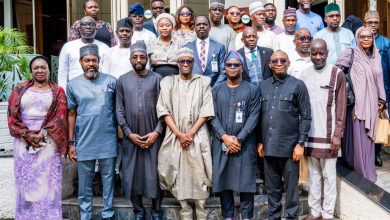
Commissioner for Environment and Sustainability, Barr. Nosa Adams, raised the concern during a meeting with the Interministerial Committee on Climate Change in Benin City. The session brought together representatives from key ministries, agencies, academic institutions, and environmental experts to develop practical strategies for combating climate change.
Adams directly linked human activity to the crisis. “Our socio-economic activities are largely responsible for the degradation of our environment,” he stated. “From industrial emissions to gas flaring and poor waste disposal practices, the impact is enormous. We must therefore take deliberate steps to reverse this trend.”
He announced that the Ministry has developed new initiatives to strengthen waste management systems, promote afforestation, and revive parks and gardens. These measures, he noted, are designed not only to improve the state’s aesthetics but also to enhance air quality and biodiversity.
Echoing the Commissioner’s concerns, the Permanent Secretary of the Ministry, Mr. Jude Ekpu, described climate change as a critical threat with far-reaching implications for agriculture, health, and livelihoods. He called for renewed collaboration among government bodies and development partners to effectively implement the Committee’s objectives and bolster the state’s climate resilience.
Adding an expert perspective, Prof. Beckley Ikhajiagbe of the University of Benin delivered a paper titled, “Building a Climate-Resilient Edo State.” He traced the roots of modern environmental degradation to the Industrial Revolution, highlighting how rapid industrialization accelerated global warming.
Prof. Ikhajiagbe emphasized that successful adaptation requires sound policy implementation and improved access to climate finance. He urged governments to prioritize evidence-based decision-making and collaborations that promote green growth.
The engagement concluded with stakeholders renewing their commitment to deepen collaboration, strengthen institutional capacity, and mobilize resources for a cleaner and more sustainable environment for future generations.