In a bid to curb illegal activities and promote orderliness in the transport sector, the Permanent Secretary, Lagos State Ministry of Transportation, Mr. Olawale Musa, has announced the unification of commercial bus operations along the Lekki–Epe Expressway, effective November 17.
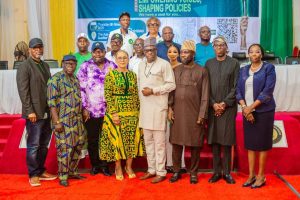
Musa made the disclosure during a one-day Stakeholders’ Engagement Meeting organised by the Lagos State Government at Alausa, Ikeja. The forum was convened to strengthen collaboration between the state, Local Governments (LGs), and Local Council Development Areas (LCDAs), while fostering participatory governance and inclusive policy-making.

Represented by Engr. Olasunkanmi Ojowuro, Musa said the measure was part of efforts to eliminate touting and improve efficiency in the transport system. He commended the engagement initiative, describing it as a vital feedback mechanism for assessing government performance and identifying areas requiring intervention.
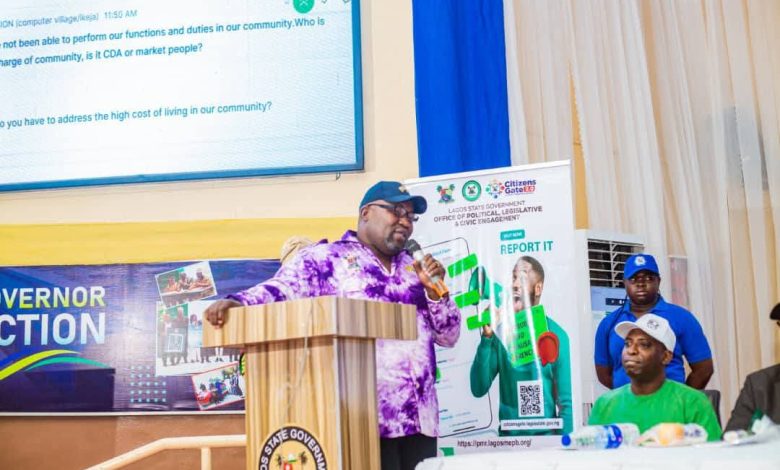
In his keynote address, the Special Adviser to the Governor on Political, Legislative and Civic Engagement, Dr. Afolabi Abiodun Tajudeen, reaffirmed the administration’s commitment to deepening inclusive governance through continuous stakeholder dialogue.
He noted that civic engagement “remains the lifeblood of participatory democracy,” serving as a bridge between government and citizens while promoting trust, accountability, and collaborative policy formulation.
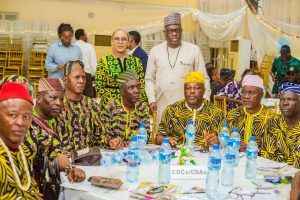
Dr. Tajudeen urged participants to embrace constructive dialogue that would guide policy implementation at the grassroots, stressing that development should be viewed as a shared responsibility.
Also speaking, the Permanent Secretary, Office of Political, Legislative and Civic Engagement, Engr. Sholabomi Shasore, explained that the forum, themed “Empowering Voices and Shaping Policies,” was designed to enhance collective understanding, reduce governance overlaps, and ensure that government policies reflect the people’s realities and aspirations.
The interactive session featured robust discussions on key issues such as youth empowerment, market price regulation, multiple taxation, rural electrification, waste-to-energy projects, and improved community security through CCTV deployment in identified hotspots.