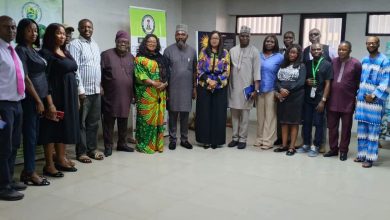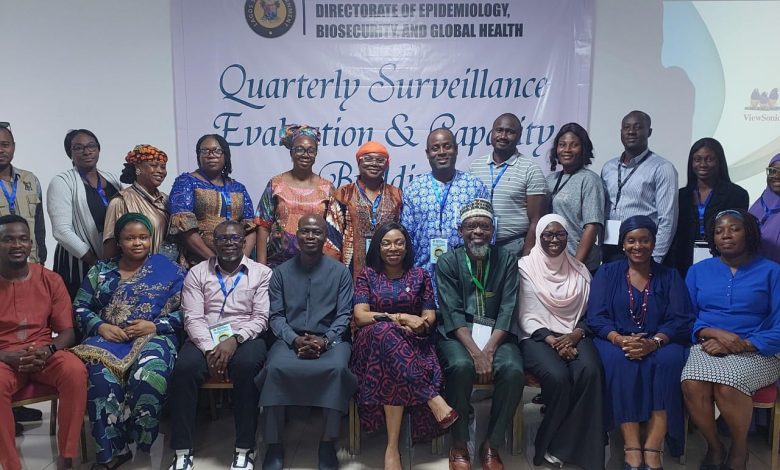
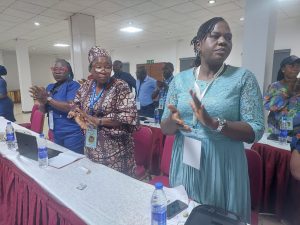
The Lagos State Ministry of Health has intensified efforts to strengthen disease surveillance and outbreak response through a four-day Quarterly Surveillance Evaluation and Capacity Building programme for Disease Surveillance and Notification Officers (DSNOs), held in Lekki.
The training, themed “From Data to Action: Hands-on Surveillance Evaluation Using Case-Based Approaches,” brought together frontline surveillance officers, public health experts, laboratory scientists, and development partners to enhance skills in real-time data utilisation and coordinated response.
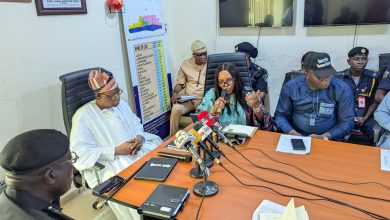
During a visit on Thursday, the Permanent Secretary of the Lagos State Ministry of Health, Dr. Dayo Lajide, underscored the importance of maximising in-person training opportunities despite existing funding and logistical challenges.
She described the theme as timely, noting that the transition from data collection to actionable intelligence remains critical to effective public health interventions in an increasingly complex global health landscape.
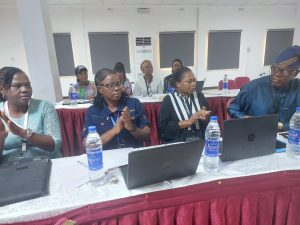
Highlighting the pivotal role of DSNOs, Lajide said they serve as the first point of alert in the health system, stressing the need for strict adherence to reporting protocols to ensure timely interventions at both district and state levels.
She added that while significant work may be ongoing, inadequate dissemination of information could leave the public uninformed, emphasising the importance of trained public affairs officers in managing risk communication.
Lajide also acknowledged the contributions of key stakeholders across the surveillance ecosystem, including laboratory teams, emergency operations personnel, academic institutions, and development partners, describing their collaboration as vital to building a resilient health system.
In his welcome address, the Director of Epidemiology, Biosecurity and Global Health, Dr. Ismail Abdus-Salam, described the programme as a flagship initiative unique to Lagos State, designed to reinforce learning while introducing new innovations in surveillance practice.
He noted that the training incorporates a shift from paper-based to electronic systems, alongside improved data communication to policymakers to enhance decision-making.
Also speaking, the State Disease Surveillance and Notification Officer, Mr. Lakunle Openiyi, said the programme focuses on equipping participants with practical skills using real-time case scenarios to strengthen evidence-based public health responses.

“The goal is to ensure that surveillance data is effectively utilised to guide timely and informed decisions at both community and state levels,” he said.
In her closing remarks, the Surveillance and Disease Control Programme Officer at the Lagos State Primary Health Care Board, Dr. Modinat Akiolu, described surveillance as the “eyes and hands of the health system,” stressing its critical role in early outbreak detection.
She warned that failure to detect outbreaks early could have serious consequences, urging participants to apply the knowledge gained to improve response efforts.
Akiolu also commended the consistency of the programme and the support of the Ministry’s leadership, noting that effective surveillance goes beyond data collection to include leadership, problem-solving, and service delivery aimed at safeguarding public health.