The Permanent Secretary of the Lagos State Teaching Service Commission (TESCOM), Mr. Rafiu Olawale Ojikutu, has warned school directors and their assistants against covering up cases of sexual abuse or other misconduct involving teachers, stressing that anyone who shields perpetrators will be held equally accountable.
Ojikutu issued the warning during a two-day capacity-building workshop for educators, organised by TESCOM to strengthen the instructional competencies of post-primary school administrators and enhance creativity and innovation in the state’s education system.

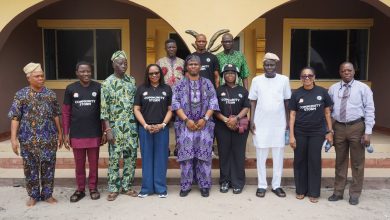
The workshop, held at the Education Resource Centre in Ojodu, Lagos, brought together school principals, vice principals, and directors on Grade Level 15–17 from the six education districts and LASTVEB. It was designed to explore effective instructional strategies that support student success in a rapidly evolving learning environment.
Represented by the Director of Administration and Human Resources, Mrs. Morenike Famakin, the Permanent Secretary commended teachers for their contributions to the state’s educational development. She urged participants to take full advantage of the training to strengthen their professional capacity and boost performance in their respective schools.
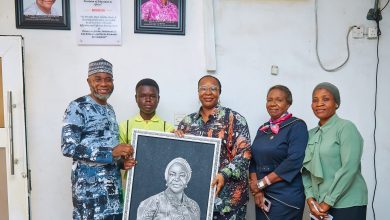
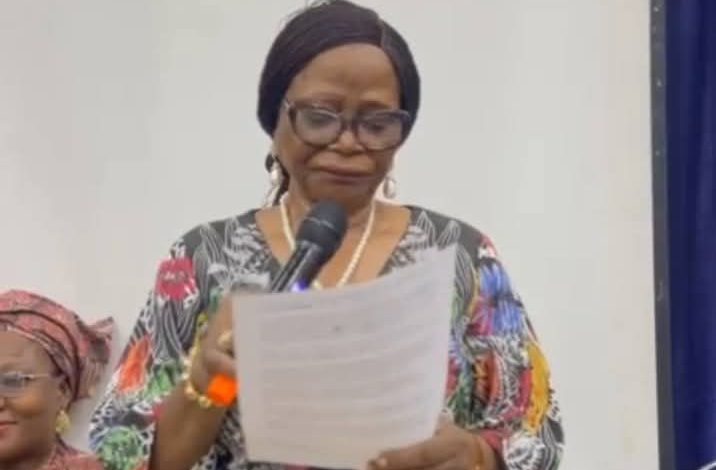
In her remarks, the Chairman of TESCOM, Mrs. Victoria Mopelola Peregrino, said the workshop underscores the Lagos State Government’s unwavering commitment to equipping educators through continuous capacity development initiatives that drive transformative change across the education sector.

Mrs. Peregrino encouraged educators to embrace their roles as change agents by adopting innovative practices, nurturing creativity, and maintaining a strong commitment to excellence. She emphasized the need for educators to stay updated with new technologies and global best practices in line with Governor Babajide Sanwo-Olu’s THEMES+ Agenda, which prioritizes Education and Technology.
“To truly foster creativity and innovation in education, we must move beyond traditional lecture methods and adopt student-centered active learning strategies such as project-based learning, collaborative activities, and design thinking,” she said. “By challenging students, encouraging exploration, providing regular feedback, and cultivating supportive learning environments, we can help them develop critical thinking, problem-solving, and adaptability skills essential for the future.”
She added that TESCOM has identified the emerging instructional needs required to support creativity and innovation in Lagos schools and has, therefore, developed a series of targeted workshops to build educators’ capacity in addressing the demands of 21st-century education.