Global Fund, SFH Launch New Initiative to Strengthen Nigeria’s Private-Sector HIV, Malaria Response

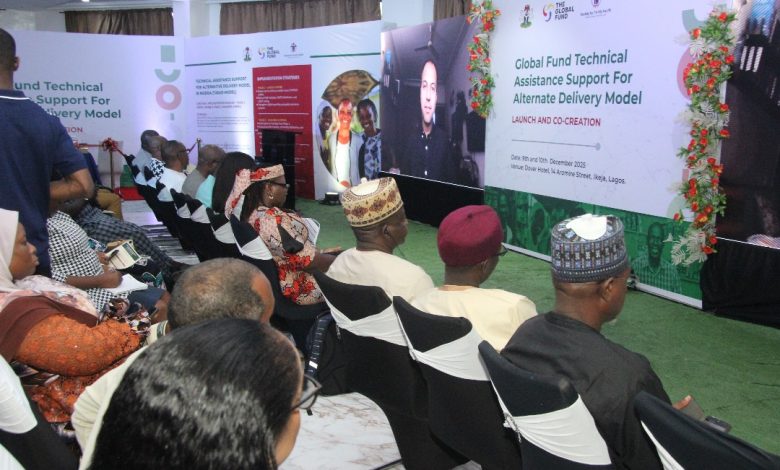
Nigeria’s efforts to transition toward a more sustainable, country-owned HIV, TB, and malaria response have received a major boost with the launch of a new Technical Assistance Support for the Alternative Delivery Model in Lagos.
The initiative—driven by the Global Fund, Society for Family Health (SFH), and key national agencies—aims to shift essential health services into private-sector channels while preparing the country for an expected decline in donor funding.
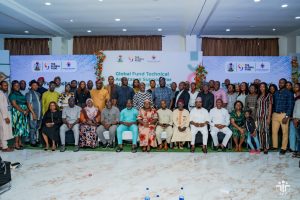
The launch, held at the Dover Hotel, Ikeja, brought together national programme leaders, private-sector actors, and development partners to co-create a long-term model for private-sector participation in Nigeria’s health response.
Managing Director of SFH, Dr. Omokhudu Idogho, said the programme comes at a defining moment, noting that while Nigeria receives less than 1% of its total funding from Overseas Development Assistance, international donors still account for 78% of HIV-related expenditure.
He described the situation as a “national security emergency,” warning that millions of Nigerians remain dependent on external funding.
He explained that the initiative, built on the Total Market Approach, will draw contributions from the public sector, private providers, and communities. The model will define how pharmacies and Patent and Proprietary Medicine Vendors (PPMVs) can support testing, treatment, and prevention services.
Speaking virtually, Sidharth Rupani, Senior Advisor for Supply Chain Strategy and Policy at the Global Fund, expressed confidence that the new investment would catalyse sustainable service delivery.

He said the pilot will test models for financing HIV self-testing kits, oral PrEP, and malaria diagnostics in private-sector channels across four states, with insights guiding future Global Fund investments.
Representing NACA Director-General, Desmond Aso, Head of Public-Private Partnership and Resource Mobilisation, said Nigeria can no longer rely on donor-driven HIV funding, stressing that improved budgetary commitments, efficiency, and structured private-sector engagement are now urgent priorities.

Representing the National Coordinator of NASCP, Dr. Hafsat Iyanda commended SFH for championing a “people-owned” model that will enhance integration across HIV, TB, and malaria programmes.
Also speaking on behalf of NMEP, Senior Programme Manager Dr. Ahmad Njidda emphasised the critical role of pharmacies and PPMVs in malaria care nationwide. He said expanding access to quality rapid diagnostic tests in private channels is essential to ending presumptive treatment.
Delivering goodwill remarks, Pharm. Ene Daniel-Ebune of the Pharmacy Council of Nigeria (PCN), said PCN will continue supporting regulatory frameworks that enable private-sector innovation while safeguarding public health standards.
President of NAPPMED, Sylvanus Onuoha, said PPMVs are ready to expand their role in providing quality HIV and malaria services, but called for sustained investment in training and licensing.
Executive Secretary of the Healthcare Federation of Nigeria, Olufemi Akingbade, stressed that the private sector already shoulders heavy out-of-pocket costs and must now be fully integrated into national planning.
State Secretary of the Lagos State Medicine Dealers Association (LSMDA), Hope Ezenwoke, reaffirmed support from Lagos-based PPMVs, saying the model will improve service coverage in underserved communities.