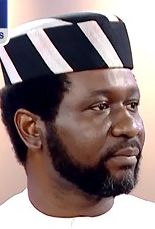
A member of the House of Representatives from Kwande/Ushongo Federal Constituency of Benue State, Hon. Terseer Ugbor, has blamed the recent spike in insecurity on a lack of synergy among the state’s political leaders.
The lawmaker accused the Governor Hyacinth Alia-led state government of engaging in what he described as ‘bad politics’ in its efforts to address the security situation in the state.
Speaking on Channels TV’s Sunrise Daily on Friday, Ugbor said, “Unfortunately, there has been not very much synergy, not very much engagements between the Benue State government and the members of the national assembly.
“Since I became a member of the House of Reps, I have never been invited by the governor of Benue to government house to have any sort of discussion and my community experiences one of the highest levels of insecurity in the state.”
Asked whether he has requested to see the governor, the lawmaker replied, “I have asked to be invited, I have reached out many times, and I have tried to do my best, reaching out to NEMA to provide palliatives.”
He lamented that he and other lawmakers in the state are not being carried along in several stakeholder meetings that have been convened by Governor Alia.
“We are not invited (to stakeholder engagements). Recently, there was a security committee that was set up in the state to look at the insecurity and we were not invited. The government of Benue doesn’t think members of the National Assembly have a role to play or are important enough to be invited to the security committee set up to look at the insecurity in Benue.”