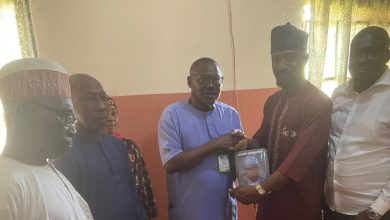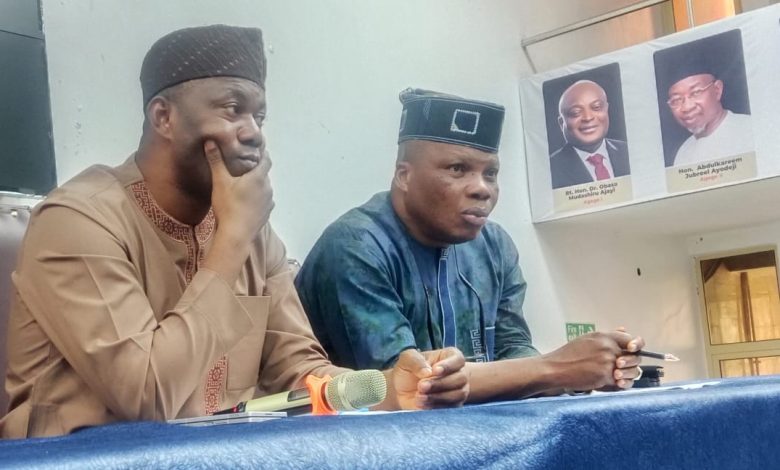
The Lagos State House of Assembly ad-hoc committee set up by Speaker Mudashiru Obasa has concluded its investigation into the demolition of structures in Makoko, Sogunro and Oko-Agbon communities, with affected residents presenting divergent demands.
At the committee’s final meeting held on Thursday, March 5, 2026, representatives of the three communities expressed differing positions on compensation and relocation for residents impacted by the demolition exercise.
The Alase of the Egun Community in Makoko, Francis Agoyon, stated that displaced residents should be permanently relocated rather than offered financial compensation.
Similarly, the Baale of Makoko said residents preferred relocation to an alternative site instead of monetary compensation. However, he urged the government to clearly specify the proposed relocation site and define the exact boundaries of the demolition affecting Makoko, Sogunro and Oko-Agbon.
In contrast, representatives of the Sogunro community demanded financial compensation, proposing that each affected resident receive about ₦10 million. They noted that the average cost of a bamboo house in the area is approximately ₦4 million.
Vice Chairman of the Fishermen Association, Tobi, said the situation had generated tension within the communities, adding that many residents were uncertain about the final outcome.

“The people are jittery about the situation. Whatever the traditional rulers decide will be the final position,” he said.
Responding, the Majority Leader of the Assembly, Noheem Adams, expressed concern over what he described as shifting positions by community representatives.
He recalled that the communities had initially agreed on compensation before later changing their stance, describing the development as a setback to the reconciliation process.
Adams said the committee would present its findings, along with the communities’ positions, to the Speaker and the 40-member Assembly for further deliberation.
During the meeting, officials of the Lagos State Building Control Agency informed the committee that some of the demolished structures had been rebuilt and sought the Assembly’s approval to remove the new constructions.
Leaders of the three communities agreed that the government should proceed with demolishing any structures re-erected on the affected sites.
Earlier, the Assembly had directed the affected communities to constitute 10-member committees comprising women, youths, students and traditional leaders to support efforts aimed at resolving the dispute and addressing the needs of displaced residents.
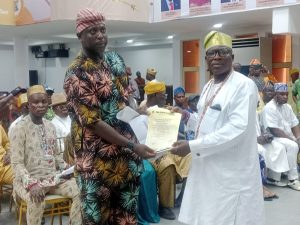
The three communities also submitted their reports to the Assembly Secretariat.