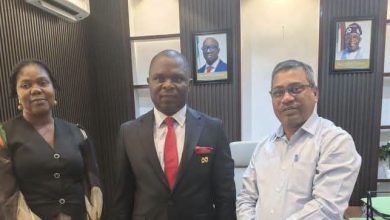
The Chairman of the Federal Civil Service Commission (FCSC) , Prof. Tunji Olaopa, has advised the public servants to see service as a spiritual calling to serve the people, saying it is a vocation that calls on any aspirant to public office to serve the public.
Olaopa gave the advice on Saturday in his tribute to Frank Caprio, the American judge who recently died.
The FCSC Chairman stated that part of the fundamental predicament of the Nigerian state is her inability to provide the mechanism that enables service delivery to the citizens as part of the government’s dividends of democratic governance.
According to him, this failure is due not just to the dysfunctional state of the public services, but also largely to the bad image of the public servants and officials who are the very embodiment of what government looks like.
” The public service is a vocation that calls on any aspirant to public office to serve the public. Serve the public. Service is a mode of selflessness. It asks the public servant to draw spiritual fulfilment from the dedication and commitment to rendering service to others. The public spirit that pushes the public servant ensures that she is not so preoccupied with the technical details of his/her responsibilities as to miss the human concerns and circumstances of those the service is rendered to”, said Olaopa.
Olaopa said: “You do not serve the public to become obscenely wealthy. Indeed, public spiritedness insists that the public servant and officials must be held within a framework of personal and public accountability that requires that the official must be held responsible for her duties to the public.
“Public spiritedness demands more. It relentlessly pushes the public servant to reflect a professional competence that enables an effective and efficient service to the public. Professionalism in service enables the public servant to perform her duties with efficient optimality. It is this set of professional competences and skills that enable the pubic servant to manage scarce resources and achieve an equitable redistribution in ways that connotes fairness.”
He stated “Professionalism demands a code of ethical conduct—accountability, public spirit, responsibility, probity, transparency, and neutrality that defines who the public servant is and the limit of what she can do. This is the lesson that Judge Frank Caprio leaves behind as a significant part of his legacy to the world”.