FG-Initiated Health Fellows Programme Produces New Generation Of Public Health Leaders


The Lagos State Commissioner for Health, Prof. Akin Abayomi; the Coordinating Minister of Health and Social Welfare, Prof. Ali Pate; and the State Coordinator of the World Health Organisation (WHO), Mrs. Chinyere Okafor, have urged graduates of Cohort 1 of the National Health Fellows Programme to serve as change agents, noting that the initiative has equipped them to become a new generation of public health leaders.
They gave this charge on Wednesday during the graduation ceremony for Cohort 1 and the onboarding of Cohort 2, held in Alausa, Ikeja, Lagos.
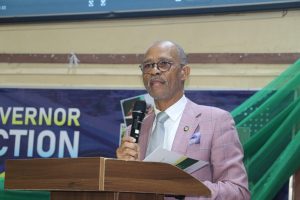 Speaking at the event, Prof. Abayomi said the programme provided participants with first-hand experience in public health governance, adding that it is designed to nurture leaders capable of driving reforms, strengthening accountability, and supporting the effective implementation of health policies across the state.
He also commended President Bola Ahmed Tinubu for initiating the programme, noting that it has created opportunities for participants to actively engage in public health governance in Nigeria.
“This programme recognises that the health sector extends beyond doctors and nurses. I acknowledge the challenges highlighted in the earlier presentation by Cohort 1 Fellows, which clearly outlined areas requiring improvement. I assure you that these concerns will be addressed in Cohort 2,” he said.

Addressing the Fellows, the Coordinating Minister of Health and Social Welfare, Prof. Ali Pate, who was represented by SWAp Coordinator, Dr. Muntaqa Sadiq, congratulated the graduates on the successful completion of the programme, noting that it exposed them to the realities on the ground.
He urged the Fellows to leverage their experience to bridge the gap between health policy design and implementation, ensuring that reforms translate into measurable improvements in service delivery.
In her remarks, Dr. Okafor commended Lagos State for its exceptional pool of talent, noting that the selection process was highly competitive due to the high quality of applicants.
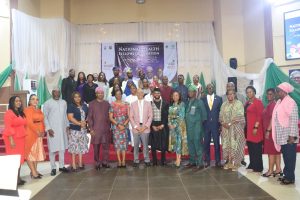
She also advised the Fellows to remain in Nigeria after completing the programme, encouraging them to act as catalysts for change in their respective communities.
Meanwhile, 20 participants—one from each of the state’s 20 Local Government Areas—were inducted into Cohort 2. Graduation certificates were presented to Cohort 1 Fellows, while outstanding participants, mentors, and partners were also recognised.